Strength Training After 45: Where to Start
You don't need a perfect plan or a gym background, just a few basic movements and someone who can show you how they should feel.
October 14, 2026 · 4 min read
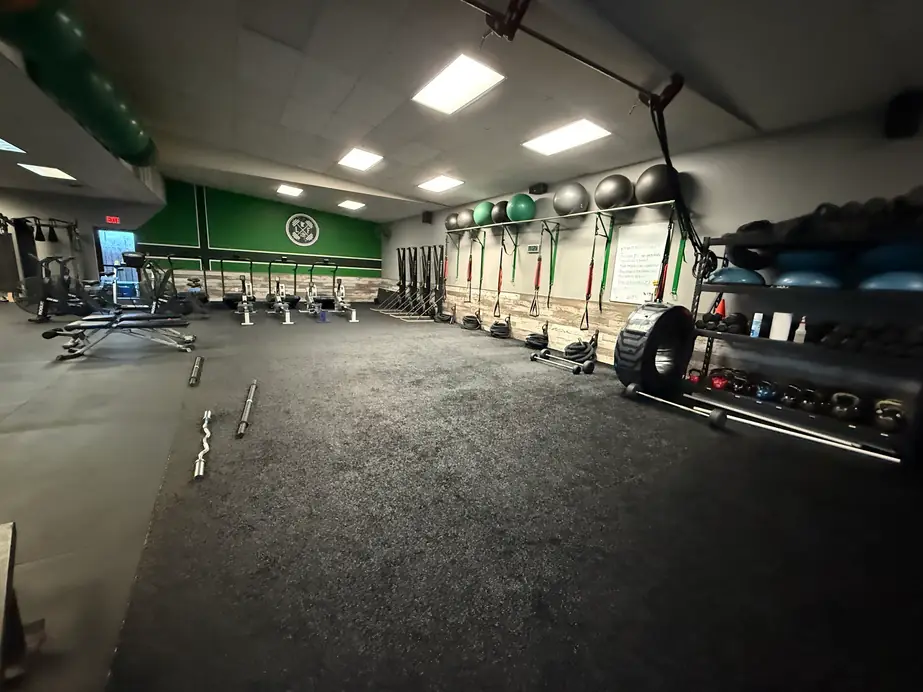
Somewhere around 45, a lot of people notice the same things. The jeans fit differently. The stairs feel a little steeper. The workouts that used to be easy now leave you sore for three days. It's tempting to decide that's just how it goes. It doesn't have to be. Strength training is one of the most practical things you can do at this age, and you don't need to be a gym person to begin.
Why strength comes first
Cardio gets most of the attention, and it matters. But if you only have energy for one kind of training, protect the strength work. Muscle is what lets you carry groceries up the steps, lift a grandchild, get up off the floor without a plan, and catch yourself when you trip. Most adults lose some muscle as the years pass unless they give it a reason to stay. Lifting is that reason.
Strength work is also kinder to your schedule than most people expect. Two or three sessions a week, 45 minutes to an hour each, is plenty to start. You don't need to chase a number on a bar. Your only job at first is to show up and let your body relearn that it still has work to do.
Five movements worth learning first
You don't need a long list of exercises. Most of what matters comes down to a handful of patterns that show up in everyday life.
- A squat: sitting down and standing up under control, with or without a weight in your hands.
- A hinge: pushing your hips back to pick something up off the floor, the way a deadlift works.
- A push: a push-up with your hands on a bench or a wall, or a press with dumbbells.
- A pull: a row with a band, a cable or a dumbbell, to balance all the hours spent hunched over a desk or a steering wheel.
- A carry: walking while holding something heavy, which works your grip, your core and your posture at the same time.
Learn those five well and you can build almost any workout from them. In the first few weeks, aim to move well and let the weight come later. A squat done with good form at light weight will carry you further than a sloppy one done heavy, and your knees and lower back will thank you.
Start lighter than your ego wants
Here's the part that trips people up. You feel great in week two, so you add weight. By week four something aches and you quit. A better rule is to finish each set feeling like you could have done two or three more clean reps. Leave a little in the tank. Add weight or reps slowly, and only when the last set felt steady.
Soreness for a day or two after a new workout is normal. Sharp pain, pain inside a joint, or anything that gets worse as you keep going is a different story. Stop, and if it hangs around, talk to your doctor or a physical therapist before you push on. That's good judgment, not weakness.
Why coaching matters more at this age
Younger lifters can get away with sloppy form for a while. After 45, most of us carry a few old injuries or stiff spots that need some thought. That's where a coach earns their keep. At Legacy Fitness in Blaine, classes run about 15 people, which means a coach can actually see you. When an exercise doesn't suit your shoulder or your knee, you get another version of it instead of a shrug.
A member named Rachel put it well in her Google review: “If there is an exercise you have troubles with or an injury, the trainers always have a modification (and they don't make you feel bad for asking).” That's the standard to look for anywhere you decide to train.
A simple first month
Here's a plain way to begin, whether you train with us or on your own.
- Week one: learn the five movements with light weights or just your body weight. Two sessions.
- Weeks two and three: three sessions a week, the same movements, and a little more weight or one more set whenever the last set felt steady.
- Week four: keep the same pattern, add a short walk on your off days, and pay attention to what feels easier.
Notice what you can do now that you couldn't a month ago, not just what the scale says. Legacy's own FAQ says most members notice more energy and strength within weeks, with changes in body composition showing up somewhere between 4 and 12 weeks. Those aren't guarantees, and everybody's different, but it's a reasonable expectation for a first stretch of steady work.
If you'd rather not figure it out alone, Legacy offers a free 1-week trial that starts with a 15-minute coaching call. Call (763) 998-1003 and tell us where you're starting from. The classes are built for all fitness levels, so beginners are exactly who they're built for.
Legacy Fitness, (763) 998-1003
Call (763) 998-1003More articles
Why Most of Your Results Come From the Kitchen
Training builds the signal, but food decides what your body does with it, and you can get that part right without giving up everything you like.
What a 5 AM Small-Group Class Actually Looks Like
About 15 people, a coach who knows your name and exercises that bend to fit your body, even before the sun comes up.